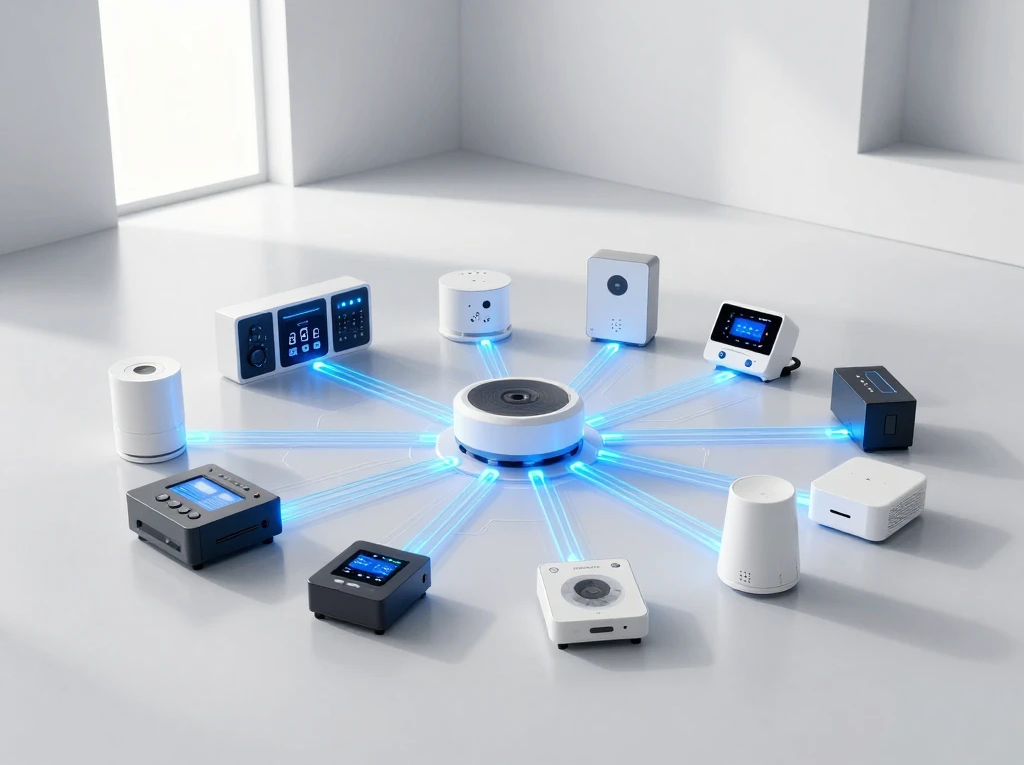
Future-Ready Internet of Things Driving Digital Transformation
Introduction
The modern world is experiencing a rapid digital transformation, and one of the most powerful technologies behind this change is the Internet of Things (IoT). IoT has revolutionized the way devices communicate, businesses operate, and people interact with technology. By connecting physical objects to digital networks, IoT enables machines, sensors, and systems to collect, exchange, and analyze information in real time.
Future-ready Internet of Things solutions are taking digital transformation to a new level by combining IoT with artificial intelligence, machine learning, cloud computing, edge computing, and advanced communication networks. These innovations are creating intelligent systems that can automate tasks, improve decision-making, and increase efficiency across different industries.
From smart homes and healthcare to manufacturing, transportation, agriculture, and smart cities, IoT is becoming an essential part of modern life. This article explores how future-ready IoT is driving digital transformation, its applications, benefits, challenges, and future impact.
Understanding Future-Ready Internet of Things
The Internet of Things refers to a network of connected devices that communicate through the internet. These devices use sensors, software, and communication technologies to collect and exchange data.
Future-ready IoT goes beyond simple connectivity. It focuses on creating intelligent ecosystems where devices can:
- Analyze data automatically
- Make smart decisions
- Predict future events
- Communicate with other systems
- Improve performance continuously
Modern IoT solutions combine multiple technologies to create powerful digital environments.
Key Technologies Behind Future IoT
Artificial Intelligence and Machine Learning
Artificial intelligence allows IoT devices to understand data and make intelligent decisions. Machine learning helps systems learn from information and improve their performance over time.
AI-powered IoT applications include:
- Smart assistants
- Predictive maintenance
- Intelligent security systems
- Healthcare monitoring
Cloud Computing
Cloud platforms provide the storage and computing power needed to manage large amounts of IoT data.
Cloud-based IoT enables:
- Remote access
- Data storage
- Scalable solutions
- Easy device management
Edge Computing
Edge computing processes data closer to where it is generated instead of sending everything to cloud servers.
Benefits include:
- Faster response times
- Reduced delays
- Better security
- Efficient data processing
5G Connectivity
High-speed networks such as 5G support faster communication between millions of connected devices.
5G improves:
- Device connectivity
- Real-time communication
- Autonomous systems
- Smart city operations
IoT Driving Digital Transformation in Businesses
Businesses are adopting IoT technologies to improve operations, increase productivity, and create better customer experiences.
Smart Manufacturing
Industrial IoT is transforming factories into intelligent production environments.
IoT helps manufacturers with:
- Equipment monitoring
- Predictive maintenance
- Automated production
- Quality control
Connected machines can identify problems before failures occur, reducing downtime and improving efficiency.
Improved Customer Experiences
Companies use IoT data to understand customer behavior and provide personalized services.
Examples include:
- Smart retail systems
- Personalized recommendations
- Connected products
- Automated customer support
IoT helps businesses create stronger relationships with customers.
Data-Driven Decision Making
IoT devices generate valuable data that organizations can analyze to make better decisions.
Businesses can use IoT insights for:
- Market analysis
- Resource management
- Performance improvement
- Future planning
IoT Transforming Smart Homes
Smart homes are one of the most common examples of IoT in daily life. Connected devices allow homeowners to automate and control household systems.
Smart Home Applications
- Smart lighting
- Smart security cameras
- Smart thermostats
- Connected appliances
- Voice-controlled devices
Benefits of Smart Homes
- Improved comfort
- Better security
- Energy savings
- Remote control
- Automated routines
Future smart homes will become more intelligent by learning user preferences and automatically adjusting settings.
IoT Revolutionizing Healthcare
Healthcare is one of the industries benefiting most from IoT innovation. Connected medical devices allow healthcare providers to monitor patients and improve treatment.
Healthcare IoT Applications
- Wearable health devices
- Remote patient monitoring
- Smart medical equipment
- Digital health platforms
- Emergency monitoring systems
Benefits
IoT healthcare solutions provide:
- Early disease detection
- Faster medical decisions
- Better patient care
- Reduced healthcare costs
Future-ready healthcare systems will become more personalized and accessible through IoT.
Smart Cities Powered by IoT
Urban areas are adopting IoT technologies to improve public services and create sustainable communities.
Smart City Applications
- Intelligent traffic management
- Smart parking systems
- Waste management solutions
- Energy monitoring
- Public safety systems
Benefits of Smart Cities
IoT-powered cities can provide:
- Reduced traffic congestion
- Efficient resource usage
- Improved public services
- Cleaner environments
- Better quality of life
Smart cities represent an important step toward future digital societies.
IoT in Agriculture and Food Production
Agriculture is becoming smarter through IoT-based farming solutions. Farmers use connected sensors and devices to monitor crops and environmental conditions.
Applications of Smart Farming
- Soil monitoring
- Smart irrigation
- Weather analysis
- Crop tracking
- Livestock management
Benefits
IoT agriculture helps:
- Increase productivity
- Reduce water waste
- Improve resource management
- Support sustainable farming
Future farming will rely heavily on intelligent technologies to meet growing food demands.
Connected Transportation and Mobility
IoT is transforming transportation by creating intelligent vehicles and smart transportation systems.
Applications
- Connected vehicles
- GPS tracking
- Traffic monitoring
- Fleet management
- Autonomous driving support
Benefits
IoT-based transportation provides:
- Safer roads
- Better navigation
- Reduced traffic problems
- Improved fuel efficiency
Future transportation systems will depend on connected technologies.
Role of IoT in Digital Transformation
Digital transformation means using digital technologies to improve processes, services, and experiences. IoT plays a central role in this transformation by connecting physical systems with digital intelligence.
IoT enables organizations to:
- Automate operations
- Collect real-time information
- Improve efficiency
- Create innovative products
- Develop new business models
Companies that adopt IoT can adapt faster to changing market demands.
Benefits of Future-Ready IoT Solutions
Increased Efficiency
IoT automation helps organizations perform tasks faster and with fewer errors.
Cost Reduction
Smart systems reduce waste and improve resource management.
Better Security
IoT monitoring systems help identify risks and improve safety.
Real-Time Insights
Connected devices provide valuable information for quick decision-making.
Improved User Experiences
IoT creates personalized and convenient services.
Sustainability
IoT helps optimize energy use and reduce environmental impact.
Challenges of IoT Digital Transformation
Although IoT provides many advantages, several challenges must be addressed.
Cybersecurity Risks
More connected devices create greater opportunities for cyberattacks.
Privacy Concerns
IoT systems collect large amounts of data that require strong protection.
High Implementation Costs
Building IoT infrastructure can require significant investment.
Data Management
Organizations must manage and analyze massive amounts of generated data.
Technical Skills Gap
IoT implementation requires professionals with advanced technology skills.
Future of Internet of Things
The future of IoT will be shaped by continuous innovation and integration with advanced technologies.
Future trends include:
- AI-powered autonomous devices
- Fully connected smart cities
- Advanced healthcare ecosystems
- Intelligent industrial systems
- Sustainable IoT solutions
- More secure IoT networks
As technology advances, IoT will become an even more important part of personal and professional life.
Conclusion
Future-ready Internet of Things technology is driving digital transformation across industries and society. By connecting devices, collecting data, and enabling intelligent decision-making, IoT is creating smarter, faster, and more efficient systems.
From businesses and healthcare to smart homes, agriculture, and transportation, IoT is improving everyday experiences and creating new opportunities. Although challenges related to security, privacy, and implementation remain, responsible adoption of IoT can unlock enormous benefits.
The future belongs to connected technologies. As IoT continues to evolve, it will play a central role in building a more intelligent, sustainable, and digitally transformed world.