Breakthrough IoT Solutions Changing Everyday Life
Introduction
Technology is continuously transforming the way people live, work, and interact with the world. Among the most influential innovations of the digital age, the Internet of Things (IoT) has emerged as a powerful technology that connects everyday objects to the internet. By allowing devices to collect, exchange, and analyze data, IoT is creating smarter environments and improving daily experiences.
From smart homes and wearable health devices to intelligent transportation and automated workplaces, breakthrough IoT solutions are changing everyday life in remarkable ways. These technologies help people save time, improve safety, reduce costs, and make better decisions.
The combination of IoT with artificial intelligence, cloud computing, edge computing, and advanced communication networks has made connected devices more intelligent and efficient. This article explores the major breakthrough IoT solutions transforming daily life, their applications, benefits, challenges, and future impact.
What Is the Internet of Things (IoT)?
The Internet of Things is a network of physical devices connected to the internet that can collect and exchange information. These devices use sensors, software, and communication technologies to interact with users and other systems.
Examples of IoT devices include:
- Smart home appliances
- Fitness trackers
- Smart vehicles
- Healthcare monitoring devices
- Industrial machines
- Smart city systems
The main goal of IoT is to make devices smarter, automate tasks, and improve efficiency in everyday activities.
1. Smart Home Solutions
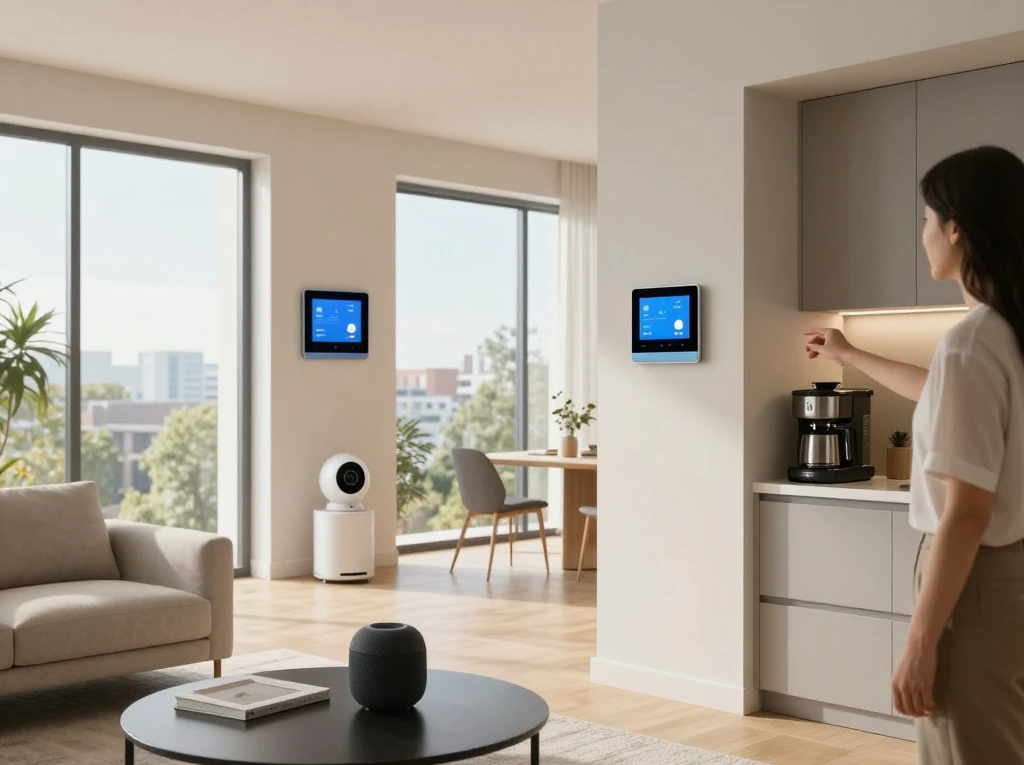
Smart homes are one of the most visible examples of IoT changing everyday life. IoT-powered home devices allow people to control and automate household systems through smartphones, voice commands, or intelligent software.
Examples of Smart Home IoT Devices
- Smart lights
- Smart thermostats
- Smart security cameras
- Smart locks
- Connected kitchen appliances
- Voice assistants
How Smart Homes Improve Daily Life
Smart home solutions provide:
- Remote device control
- Energy savings
- Improved security
- Greater comfort
- Automated routines
For example, smart lighting systems can automatically adjust brightness based on user preferences, while smart thermostats can reduce energy consumption by managing temperature efficiently.
Future smart homes will become even more intelligent by using artificial intelligence to predict user behavior and automatically optimize home environments.
2. Wearable IoT Devices for Health and Fitness
Wearable technology has become an important part of modern lifestyles. Smart watches, fitness trackers, and health monitoring devices use IoT technology to collect and analyze personal health information.
Applications of Wearable IoT
- Heart rate monitoring
- Sleep tracking
- Fitness measurement
- Blood oxygen monitoring
- Activity tracking
Benefits
Wearable IoT devices help people:
- Monitor health conditions
- Maintain active lifestyles
- Detect potential health issues early
- Receive personalized health insights
In the future, wearable IoT devices may provide more advanced medical monitoring and support remote healthcare services.
3. Smart Healthcare Solutions
IoT is revolutionizing healthcare by improving patient monitoring, medical services, and healthcare management.
Connected medical devices allow doctors to collect real-time patient information and provide better treatment decisions.
Healthcare IoT Applications
- Remote patient monitoring
- Smart medical equipment
- Connected hospital systems
- Emergency response devices
- Digital health platforms
Impact on Healthcare
IoT solutions help:
- Reduce hospital visits
- Improve patient care
- Enable faster diagnosis
- Provide personalized treatments
Healthcare IoT will continue expanding, making medical services more accessible and efficient.
4. Intelligent Transportation and Connected Vehicles
Transportation is experiencing major changes through IoT-based solutions. Connected vehicles use sensors and communication systems to exchange information and improve travel experiences.
IoT Applications in Transportation
- Smart navigation systems
- Vehicle tracking
- Traffic monitoring
- Fleet management
- Autonomous driving support
Benefits
Connected transportation provides:
- Improved road safety
- Reduced traffic congestion
- Better fuel efficiency
- More convenient travel
Future transportation systems will rely heavily on IoT to create smarter roads and safer vehicles.
5. Smart Agriculture and Farming Solutions
Agriculture is becoming more efficient through IoT-based smart farming technologies. Farmers use connected sensors and devices to monitor crops, soil, and environmental conditions.
Applications of Agricultural IoT
- Soil monitoring
- Smart irrigation systems
- Weather tracking
- Crop management
- Livestock monitoring
Benefits
IoT helps farmers:
- Increase crop production
- Reduce water usage
- Lower costs
- Improve sustainability
Smart farming solutions are helping address global food challenges by making agriculture more productive.
6. Smart Cities Powered by IoT
Cities around the world are adopting IoT technologies to improve public services and create better living environments.
Smart city systems use sensors and data analytics to manage resources efficiently.
Smart City Applications
- Smart traffic systems
- Intelligent street lighting
- Waste management
- Environmental monitoring
- Public safety systems
Benefits of Smart Cities
IoT-powered cities provide:
- Better transportation
- Reduced energy consumption
- Improved public services
- Cleaner environments
- Enhanced safety
Smart cities represent the future of urban development.
7. IoT in Retail and Shopping
Retail businesses are using IoT solutions to improve customer experiences and optimize operations.
Retail IoT Applications
- Smart inventory management
- Personalized recommendations
- Automated checkout systems
- Customer behavior analysis
- Connected shopping experiences
Benefits
IoT helps retailers:
- Understand customer needs
- Reduce inventory problems
- Improve sales strategies
- Provide better services
Future shopping experiences will become more personalized through connected technologies.
8. Industrial IoT and Workplace Automation
Industrial IoT is transforming workplaces by connecting machines, equipment, and production systems.
Factories are becoming smarter through automation and real-time monitoring.
Applications
- Predictive maintenance
- Machine monitoring
- Automated production
- Quality control
- Supply chain management
Benefits
Industrial IoT provides:
- Higher productivity
- Reduced downtime
- Improved safety
- Lower operational costs
These solutions are creating smarter workplaces and more efficient industries.
9. IoT and Energy Management
Energy management is another area where IoT is creating significant improvements. Smart energy systems help monitor and control energy usage.
Applications
- Smart meters
- Intelligent power grids
- Energy monitoring systems
- Automated energy controls
Benefits
IoT energy solutions help:
- Reduce electricity waste
- Lower costs
- Improve energy efficiency
- Support renewable energy usage
These innovations contribute to a more sustainable future.
10. Artificial Intelligence and IoT Integration
The combination of artificial intelligence and IoT, known as AIoT, is making connected devices more intelligent.
AI allows IoT systems to analyze data, learn patterns, and make automated decisions.
Examples of AIoT Applications
- Smart assistants
- Predictive healthcare
- Autonomous vehicles
- Intelligent security systems
Future Impact
AI-powered IoT solutions will create devices that can understand user needs and respond automatically.
Benefits of Breakthrough IoT Solutions
Convenience
IoT devices simplify daily tasks through automation and remote control.
Improved Efficiency
Connected systems optimize processes and reduce resource waste.
Better Decision-Making
Real-time data helps individuals and organizations make smarter choices.
Enhanced Safety
IoT monitoring systems help detect problems and prevent risks.
Cost Savings
Automation and efficient resource management reduce expenses.
Improved Quality of Life
IoT creates smarter environments that improve comfort and productivity.
Challenges of IoT Technology
Despite its advantages, IoT also faces several challenges.
Security Risks
Connected devices can become targets for cyberattacks.
Privacy Concerns
IoT devices collect large amounts of personal data that require protection.
High Costs
Developing and maintaining IoT systems can require significant investment.
Technical Complexity
Managing large IoT networks requires skilled professionals.
Device Compatibility
Different devices need better communication and integration standards.
Future of IoT in Everyday Life
The future of IoT will bring even smarter and more connected experiences. Emerging technologies such as artificial intelligence, 5G networks, blockchain, and edge computing will make IoT systems more powerful.
Future IoT developments may include:
- Fully automated smart homes
- Advanced healthcare monitoring
- Intelligent transportation networks
- AI-powered personal assistants
- Sustainable smart cities
As IoT technology continues to evolve, connected devices will become a natural part of everyday life.
Conclusion
Breakthrough IoT solutions are transforming everyday life by making homes, cities, healthcare systems, transportation, and businesses smarter and more efficient. Through connected devices, automation, and real-time data analysis, IoT is creating new possibilities and improving human experiences.
Although challenges such as security, privacy, and implementation costs remain, responsible use of IoT technology can provide significant benefits. With continuous innovation, the Internet of Things will continue shaping a more connected, intelligent, and convenient future for everyone.