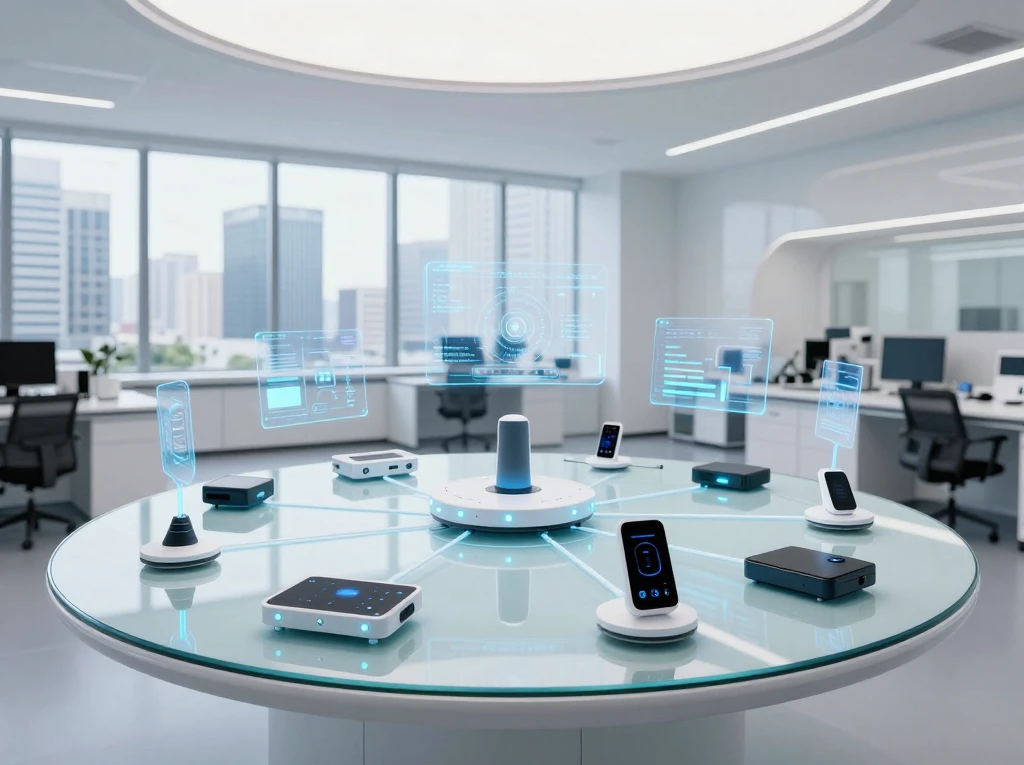
Next-Generation Internet of Things Innovations
Introduction
The digital revolution has changed the way people interact with technology, and one of the most important innovations behind this transformation is the Internet of Things (IoT). IoT has connected billions of devices worldwide, allowing machines, sensors, and systems to communicate and exchange information. However, the future of IoT is moving beyond simple connectivity toward intelligent, automated, and self-learning systems.
Next-generation Internet of Things innovations are shaping a smarter and more connected world by combining IoT with artificial intelligence, machine learning, 5G networks, edge computing, blockchain, and advanced data analytics. These technologies are creating powerful solutions for industries such as healthcare, manufacturing, transportation, agriculture, and smart cities.
The next era of IoT will not only connect devices but also enable them to understand data, make decisions, and provide automated solutions. This article explores the latest IoT innovations, their applications, benefits, challenges, and future impact on society.
Understanding Next-Generation IoT
Traditional IoT focuses on connecting devices and collecting data. Next-generation IoT goes further by adding intelligence, automation, and advanced processing capabilities.
Modern IoT ecosystems include:
- Smart sensors
- Artificial intelligence systems
- Cloud platforms
- Edge computing networks
- High-speed communication technologies
- Advanced security solutions
These technologies allow connected devices to operate more efficiently and provide valuable insights.
1. Artificial Intelligence-Driven IoT (AIoT)
One of the biggest innovations in IoT is the combination of artificial intelligence and connected devices. AIoT enables devices to analyze information, recognize patterns, and make intelligent decisions.
Traditional IoT devices collect and transmit data, but AI-powered IoT systems can understand data and respond automatically.
Applications of AIoT
AIoT is being used in:
- Smart homes
- Healthcare systems
- Autonomous vehicles
- Industrial automation
- Security monitoring
Benefits of AIoT
- Intelligent automation
- Predictive decision-making
- Improved efficiency
- Personalized services
- Reduced human effort
AIoT will be a major foundation of future smart environments.
2. Edge Computing-Based IoT
Edge computing is a next-generation technology that processes data closer to where it is generated instead of relying completely on cloud servers.
With billions of connected devices producing huge amounts of information, edge computing helps IoT systems respond faster.
Applications of Edge Computing in IoT
- Autonomous transportation
- Smart factories
- Healthcare monitoring
- Smart city systems
- Industrial control systems
Advantages
- Faster processing
- Lower network delays
- Better privacy protection
- Reduced data transfer costs
Edge computing will make future IoT systems more responsive and reliable.
3. 5G and Future Connectivity for IoT
Advanced communication networks are essential for the growth of IoT. 5G technology provides faster speeds, lower latency, and the ability to connect millions of devices.
Impact of 5G on IoT
5G supports:
- Smart cities
- Connected vehicles
- Remote healthcare
- Industrial automation
- Real-time communication
Benefits
- Faster data exchange
- Reliable connections
- Improved device performance
- Large-scale IoT deployment
Future communication networks will allow IoT devices to operate with greater speed and efficiency.
4. Smart Home Innovations
Smart homes are becoming one of the most popular examples of next-generation IoT. Advanced connected devices are creating homes that can automatically respond to user needs.
Smart Home Technologies
- Intelligent lighting systems
- Smart security solutions
- Connected appliances
- Voice-controlled devices
- Automated climate control
Future Possibilities
Future smart homes may use AI to:
- Predict user preferences
- Reduce energy consumption
- Improve security
- Automate daily activities
IoT-powered homes will provide greater comfort, safety, and efficiency.
5. Industrial IoT and Smart Manufacturing
Industrial Internet of Things (IIoT) is transforming manufacturing by connecting machines, sensors, and production systems.
Smart factories use IoT technology to monitor operations and improve performance.
Applications of IIoT
- Predictive maintenance
- Automated production
- Equipment monitoring
- Quality control
- Supply chain optimization
Benefits
- Increased productivity
- Reduced machine failures
- Lower costs
- Improved workplace safety
Next-generation IIoT will create highly intelligent and automated industries.
6. Healthcare IoT Innovations
Healthcare is experiencing major improvements through connected medical devices and smart healthcare systems.
IoT allows doctors and healthcare providers to monitor patients remotely and make faster decisions.
Applications
- Wearable health trackers
- Remote patient monitoring
- Smart medical equipment
- Emergency response systems
- Digital health platforms
Benefits
- Early disease detection
- Improved patient care
- Reduced healthcare expenses
- Personalized treatment
Future healthcare will become more accessible and data-driven through IoT innovations.
7. Smart Agriculture and IoT Farming
Agriculture is adopting IoT technologies to improve productivity and sustainability. Smart farming uses connected sensors and devices to monitor environmental conditions.
Applications
- Soil monitoring
- Smart irrigation
- Crop tracking
- Weather analysis
- Livestock management
Benefits
- Increased crop production
- Efficient water usage
- Reduced waste
- Better resource management
IoT will help farmers produce more food while protecting natural resources.
8. Autonomous Vehicles and Connected Transportation
Next-generation IoT is transforming transportation through connected vehicles and intelligent traffic systems.
Vehicles equipped with sensors can communicate with other vehicles and infrastructure.
Applications
- Smart navigation
- Traffic monitoring
- Vehicle tracking
- Autonomous driving support
- Fleet management
Benefits
- Improved road safety
- Reduced traffic problems
- Better fuel efficiency
- Enhanced travel experiences
Connected transportation will become an important part of future mobility.
9. Blockchain-Enhanced IoT Security
Security is one of the biggest concerns in IoT because billions of connected devices exchange sensitive information.
Blockchain technology can improve IoT security by providing transparent and secure data management.
Applications
- Device authentication
- Secure communication
- Data protection
- Supply chain monitoring
Benefits
- Increased trust
- Reduced cyber risks
- Improved data integrity
- Stronger security systems
Blockchain will help create safer IoT ecosystems.
10. Digital Twins and IoT Simulation
Digital twin technology creates virtual models of physical objects or systems using real-time IoT data.
These digital models help organizations analyze performance and predict future problems.
Applications
- Smart factories
- Buildings
- Healthcare equipment
- Transportation systems
Benefits
- Better monitoring
- Predictive maintenance
- Improved planning
- Reduced operational risks
Digital twins will become an important part of future IoT management.
Benefits of Next-Generation IoT Innovations
Increased Efficiency
IoT automation helps organizations complete tasks faster and improve productivity.
Better Decision-Making
Real-time data analysis helps businesses make accurate decisions.
Cost Savings
Smart systems reduce waste and improve resource utilization.
Improved Customer Experiences
Connected devices provide personalized and convenient services.
Enhanced Safety
IoT monitoring helps identify risks and prevent problems.
Sustainable Development
IoT supports efficient energy use and environmental protection.
Challenges of Next-Generation IoT
Although IoT innovations offer many benefits, several challenges must be addressed.
Cybersecurity Threats
More connected devices increase the risk of hacking and cyberattacks.
Data Privacy
Protecting personal and organizational information is essential.
High Costs
Advanced IoT infrastructure requires investment and technical resources.
Data Management
Managing huge amounts of IoT data requires powerful systems.
Compatibility Issues
Different devices and platforms need better integration.
The Future of Next-Generation IoT
The future of IoT will be defined by smarter, faster, and more autonomous systems. Artificial intelligence, advanced connectivity, and automation will continue improving IoT capabilities.
Future trends may include:
- Fully automated smart cities
- AI-powered connected devices
- Intelligent healthcare networks
- Self-managing industrial systems
- Sustainable IoT solutions
As technology advances, IoT will become an essential part of everyday life.
Conclusion
Next-generation Internet of Things innovations are transforming the world by creating intelligent and connected environments. From smart homes and healthcare to industries, agriculture, and transportation, IoT is improving efficiency, automation, and decision-making.
The integration of AI, edge computing, 5G, blockchain, and advanced analytics is taking IoT to a new level. Although challenges related to security, privacy, and implementation remain, responsible adoption of IoT can create enormous opportunities.
The future of IoT is not just about connecting devices—it is about creating smarter systems that improve human life and build a more efficient, sustainable, and connected world.