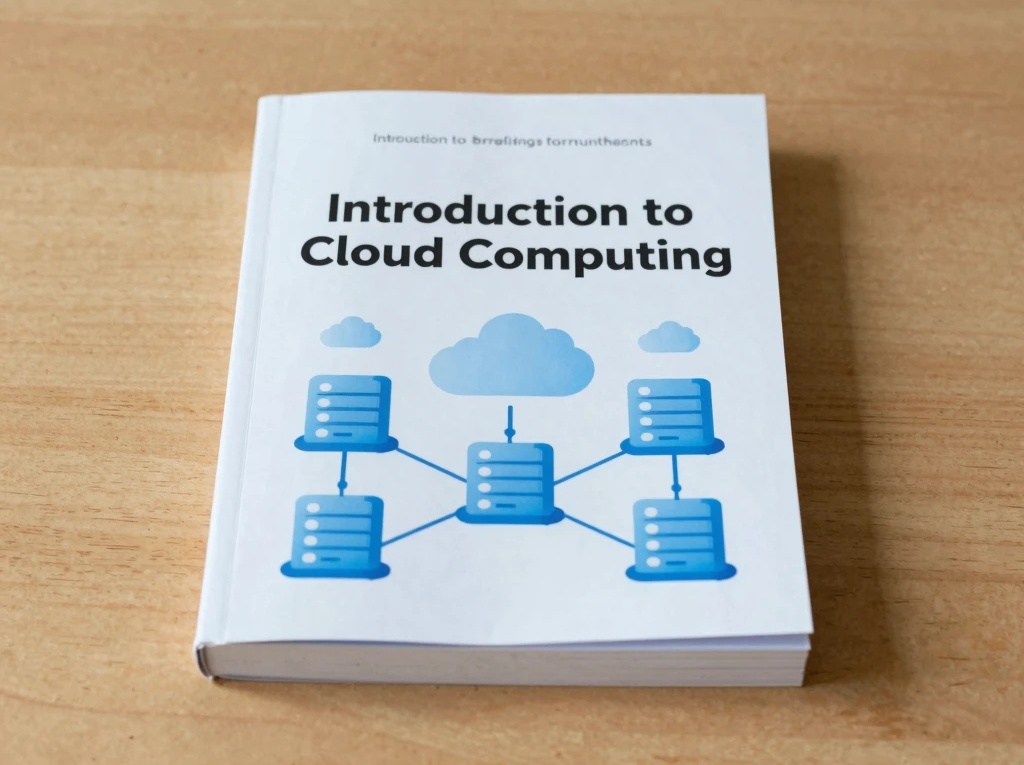
Introduction to Cloud Computing
Introduction
Cloud computing has become one of the most important technologies in the digital world. It allows individuals, businesses, educational institutions, and governments to access computing resources over the internet instead of relying solely on physical computers or local servers. From storing photos on smartphones to running large business applications, cloud computing has transformed the way people use technology.
In today’s fast-paced digital environment, organizations need flexible, secure, and cost-effective solutions to manage data and applications. Cloud computing provides these benefits by offering on-demand access to computing resources such as storage, servers, databases, networking, software, and analytics. Instead of purchasing expensive hardware and maintaining complex infrastructure, users can simply access cloud services whenever they need them.
This article explains the basics of cloud computing, how it works, its types, service models, advantages, disadvantages, applications, and future trends.
What is Cloud Computing?
Cloud computing is the delivery of computing services over the internet. These services include servers, storage, databases, networking, software, artificial intelligence, and analytics. Rather than owning and maintaining physical data centers, users can rent these resources from cloud service providers and pay only for what they use.
The term “cloud” refers to the internet, where data and applications are stored on remote servers instead of local devices. Users can access their files and applications from anywhere with an internet connection, making cloud computing highly convenient and efficient.
For example, when you save documents online, stream videos, or use web-based email services, you are using cloud computing.
How Cloud Computing Works
Cloud computing works through a network of remote servers located in data centers around the world. These servers store data, run applications, and process information on behalf of users.
When a user requests a cloud service, the request is sent through the internet to the cloud provider’s servers. The servers process the request and return the required information or service. Since the infrastructure is managed by the provider, users do not have to worry about hardware maintenance, software updates, or security patches.
Modern cloud systems use virtualization technology, which allows multiple virtual machines to run on a single physical server. This improves efficiency and makes better use of computing resources.
Types of Cloud Computing
Cloud computing is generally divided into three deployment models.
1. Public Cloud
A public cloud is owned and operated by a third-party provider. Services are delivered over the internet and shared among multiple customers. This option is affordable, scalable, and suitable for startups and small businesses.
2. Private Cloud
A private cloud is dedicated to a single organization. It offers greater control, security, and customization, making it suitable for businesses handling sensitive information.
3. Hybrid Cloud
A hybrid cloud combines both public and private cloud environments. Organizations can keep sensitive data in the private cloud while using the public cloud for less critical workloads. This approach offers flexibility and cost savings.
Cloud Service Models
Cloud providers offer services through three main models.
Infrastructure as a Service (IaaS)
IaaS provides virtual servers, networking, storage, and other infrastructure resources. Customers manage operating systems and applications while the provider manages the hardware.
Platform as a Service (PaaS)
PaaS provides a complete development environment where developers can build, test, and deploy applications without managing the underlying infrastructure.
Software as a Service (SaaS)
SaaS delivers software applications over the internet. Users access applications through a web browser without installing software on their devices. Popular productivity tools and email services are examples of SaaS.
Advantages of Cloud Computing
Cloud computing offers many benefits that make it attractive to organizations of all sizes.
Cost Efficiency
Businesses can reduce expenses by eliminating the need to purchase expensive hardware and maintain data centers. They pay only for the resources they use.
Scalability
Cloud services can easily scale up or down according to business needs. This flexibility allows organizations to handle increasing workloads without investing in additional hardware.
Accessibility
Users can access cloud services from anywhere using computers, tablets, or smartphones with an internet connection. This supports remote work and global collaboration.
Data Backup and Recovery
Cloud providers offer automated backup and disaster recovery solutions that help protect valuable data from accidental loss or hardware failure.
Automatic Updates
Cloud providers regularly update systems with the latest security patches and software improvements, reducing maintenance responsibilities for customers.
High Performance
Modern cloud platforms use powerful servers and global data centers that deliver reliable performance and fast processing speeds.
Collaboration
Cloud-based applications allow multiple users to work on the same documents and projects simultaneously, improving teamwork and productivity.
Disadvantages of Cloud Computing
Despite its many benefits, cloud computing also has some limitations.
Internet Dependency
Cloud services require a stable internet connection. Poor connectivity can affect access to applications and data.
Security Concerns
Although cloud providers invest heavily in security, storing sensitive information online always involves some level of risk. Organizations must implement proper security measures and follow best practices.
Downtime
Cloud services may occasionally experience outages due to maintenance or technical issues, temporarily affecting business operations.
Limited Control
Users have less direct control over the infrastructure because it is managed by the cloud provider.
Data Privacy
Organizations must ensure compliance with data protection regulations when storing customer information in the cloud.
Applications of Cloud Computing
Cloud computing is used across many industries.
Education
Educational institutions use cloud platforms for online learning, digital classrooms, collaboration, and assignment management.
Healthcare
Hospitals use cloud computing to store electronic medical records, manage patient information, and support telemedicine services.
Business
Companies use cloud-based accounting, customer relationship management (CRM), communication tools, and enterprise software to improve productivity.
Banking
Financial institutions use cloud technology for secure transactions, fraud detection, and customer service applications.
Entertainment
Streaming platforms use cloud infrastructure to deliver movies, music, games, and live content to millions of users worldwide.
E-commerce
Online retailers use cloud services to manage websites, process payments, analyze customer behavior, and handle seasonal traffic increases.
Security in Cloud Computing
Security is one of the most important aspects of cloud computing. Cloud providers implement multiple layers of protection, including data encryption, firewalls, identity management, and multi-factor authentication.
Organizations should also follow cybersecurity best practices such as using strong passwords, regularly updating software, monitoring user access, and backing up important data. Shared responsibility between providers and customers is essential for maintaining a secure cloud environment.
Future of Cloud Computing
The future of cloud computing is promising as emerging technologies continue to evolve. Artificial intelligence, machine learning, the Internet of Things (IoT), edge computing, and big data analytics are increasingly integrated with cloud platforms.
Businesses are adopting multi-cloud strategies to improve flexibility and reduce dependency on a single provider. Sustainability is also becoming a priority, with cloud providers investing in energy-efficient data centers and renewable energy sources.
As digital transformation continues across industries, demand for cloud computing professionals and cloud-based solutions is expected to grow significantly.
Conclusion
Cloud computing has transformed the way people and organizations use technology by providing flexible, scalable, and cost-effective computing resources over the internet. It enables users to access data and applications from anywhere while reducing infrastructure costs and improving operational efficiency.
Although challenges such as security, privacy, and internet dependency remain, the advantages of cloud computing far outweigh its limitations. As businesses continue embracing digital transformation, cloud computing will remain a key technology driving innovation, collaboration, and future growth. Understanding the fundamentals of cloud computing is essential for students, professionals, and organizations preparing for the digital future.