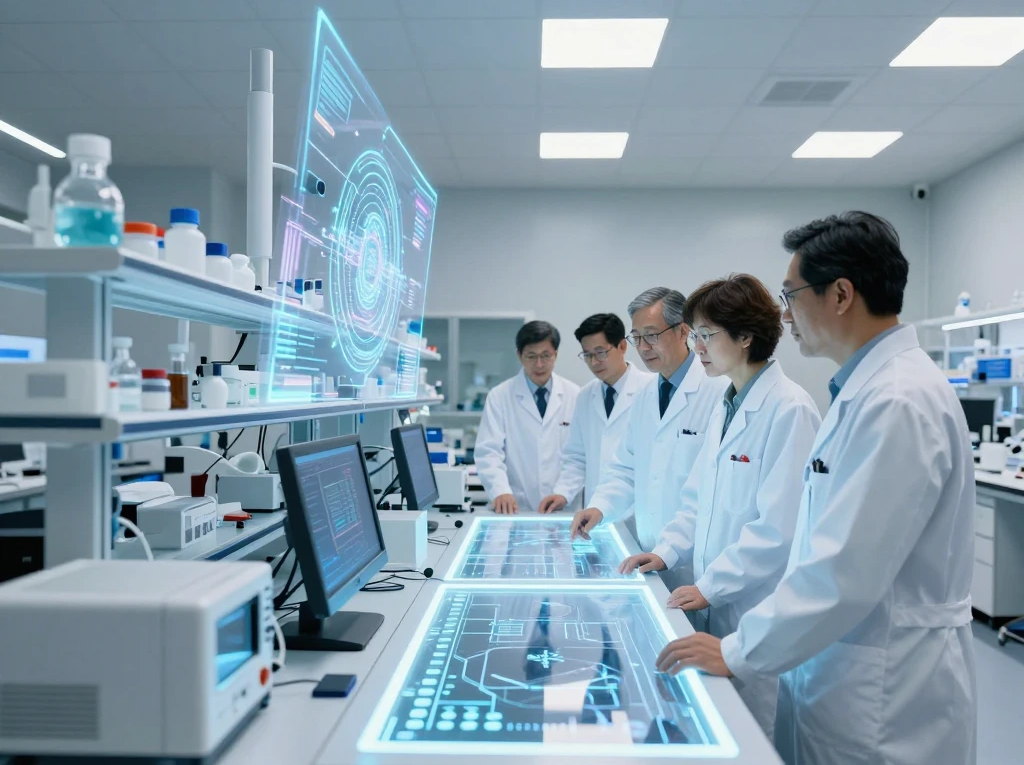
Breakthrough Technologies Shaping Tomorrow
Introduction
Technology has always been a driving force behind human development. From the invention of electricity and computers to the rise of the internet and mobile devices, every major technological advancement has changed the way people live and work. Today, the world is entering a new era where breakthrough technologies are creating opportunities that once seemed impossible.
Breakthrough technologies are innovative solutions that have the potential to transform industries, improve human experiences, and solve complex global challenges. Artificial intelligence, quantum computing, robotics, biotechnology, blockchain, and advanced communication systems are among the technologies shaping tomorrow’s world.
These innovations are not only improving existing processes but also creating entirely new ways of working, learning, communicating, and living. Businesses, governments, and individuals are adopting these technologies to increase efficiency, encourage innovation, and prepare for the future.
This article explores the most important breakthrough technologies shaping tomorrow, their applications, benefits, challenges, and future impact.
What Are Breakthrough Technologies?
Breakthrough technologies are advanced innovations that introduce significant changes compared to traditional methods. They often combine scientific discoveries with modern digital capabilities to create powerful solutions.
These technologies usually have characteristics such as:
- High innovation potential
- Ability to transform industries
- Improved efficiency
- Faster problem-solving
- Long-term economic and social impact
Examples of breakthrough technologies include:
- Artificial Intelligence (AI)
- Quantum Computing
- Robotics
- Internet of Things (IoT)
- Biotechnology
- Blockchain
- Extended Reality (AR/VR)
- Advanced Renewable Energy
- Next-generation Communication Networks
1. Artificial Intelligence: The Intelligence Revolution
Artificial Intelligence is one of the most powerful breakthrough technologies shaping the future. AI enables machines to analyze information, learn from data, recognize patterns, and make intelligent decisions.
Modern AI systems are becoming increasingly capable of performing complex tasks that previously required human intelligence.
Applications of AI
AI is transforming various fields, including:
- Healthcare diagnosis
- Business automation
- Customer support
- Autonomous vehicles
- Education technology
- Financial analysis
Benefits of AI
- Faster decision-making
- Increased productivity
- Reduced errors
- Personalized experiences
- Improved problem-solving
In the future, AI will become an essential technology across almost every industry.
2. Quantum Computing: Redefining Computational Power
Quantum computing represents a major breakthrough in computer technology. Unlike traditional computers, quantum computers use quantum bits (qubits) to process information.
This allows them to solve highly complex problems that may take traditional computers years to complete.
Future Applications of Quantum Computing
Quantum computing could transform:
- Medical research
- Drug discovery
- Climate science
- Cybersecurity
- Financial modeling
- Scientific simulations
Although still in development, quantum computing has the potential to create major technological breakthroughs.
3. Robotics and Intelligent Automation
Robotics is moving beyond simple machines and becoming more intelligent, flexible, and capable. Modern robots can learn, adapt, and collaborate with humans.
Applications of Robotics
Robotics is being used in:
- Manufacturing
- Healthcare
- Agriculture
- Logistics
- Space exploration
- Service industries
Impact of Automation
Intelligent automation helps organizations:
- Increase productivity
- Improve accuracy
- Reduce costs
- Enhance safety
- Complete complex tasks efficiently
Future workplaces will likely combine human creativity with robotic efficiency.
4. Internet of Things: Creating a Connected World
The Internet of Things connects everyday devices to the internet, allowing them to collect and exchange information.
Smart devices are becoming an important part of homes, businesses, and cities.
IoT Applications
- Smart homes
- Smart cities
- Connected vehicles
- Industrial monitoring
- Healthcare devices
- Smart agriculture
Benefits of IoT
- Real-time monitoring
- Better resource management
- Improved efficiency
- Automated control
- Enhanced convenience
The growth of IoT will create a more connected and intelligent environment.
5. Biotechnology: Innovations in Life Sciences
Biotechnology is creating breakthrough solutions by combining biology with advanced technology. It is transforming healthcare, agriculture, and environmental protection.
Applications of Biotechnology
- Genetic research
- Personalized medicine
- Disease prevention
- Vaccine development
- Agricultural improvements
Future Impact
Biotechnology may help solve major challenges such as:
- Treating complex diseases
- Improving food security
- Protecting the environment
- Developing sustainable solutions
This technology will play a crucial role in improving human health and quality of life.
6. Blockchain Technology: Building Trust in Digital Systems
Blockchain is a decentralized technology that securely records information across multiple systems. It provides transparency, security, and reliability.
Although popular because of cryptocurrencies, blockchain has many other applications.
Applications of Blockchain
- Digital identity
- Secure transactions
- Supply chain management
- Healthcare records
- Smart contracts
Advantages of Blockchain
- Increased security
- Reduced fraud
- Better transparency
- Improved data management
Blockchain will continue influencing digital systems and online interactions.
7. Extended Reality: Changing Human Experiences
Extended Reality (XR), including Augmented Reality (AR) and Virtual Reality (VR), is changing how people interact with digital information.
These technologies create immersive environments that combine physical and digital experiences.
Applications of XR
- Education and training
- Gaming
- Healthcare simulations
- Virtual meetings
- Real estate visualization
- Industrial design
Future Benefits
XR will improve:
- Learning experiences
- Remote collaboration
- Customer engagement
- Professional training
It will create new ways for people to interact with technology.
8. Advanced Communication Networks
Fast and reliable communication is essential for future technologies. Advanced networks such as 5G and future 6G systems will support massive connectivity.
Applications
Advanced networks will enable:
- Autonomous vehicles
- Smart cities
- Remote healthcare
- Industrial automation
- Real-time communication
Benefits
- Faster data transfer
- Lower delays
- Better connectivity
- Support for intelligent devices
Future communication systems will connect people and machines more efficiently.
9. Renewable Energy and Green Technologies
Environmental challenges are increasing the importance of sustainable technologies. Breakthrough innovations in renewable energy are helping create cleaner alternatives.
Important Developments
- Solar energy improvements
- Advanced battery technology
- Electric vehicles
- Green hydrogen
- Smart energy systems
Impact
These technologies support:
- Reduced carbon emissions
- Energy efficiency
- Sustainable development
- Environmental protection
Green technology will be essential for building a sustainable future.
10. Cloud Computing and Edge Computing
Cloud and edge computing are transforming how organizations store, process, and manage data.
Cloud computing provides flexible access to computing resources, while edge computing processes information closer to where it is generated.
Applications
- Business applications
- AI systems
- IoT networks
- Real-time analytics
- Digital services
Benefits
- Faster processing
- Lower costs
- Better scalability
- Improved performance
Together, cloud and edge computing create the foundation for future digital systems.
How Breakthrough Technologies Are Transforming Industries
Healthcare
Advanced technologies improve medical research, diagnosis, treatment, and patient care.
Education
Digital platforms and immersive technologies create better learning opportunities.
Business
Companies use AI, automation, and analytics to improve efficiency and customer experiences.
Manufacturing
Smart factories use robotics and IoT to increase productivity.
Transportation
Autonomous vehicles and intelligent systems are changing mobility.
Agriculture
Smart farming technologies improve production and sustainability.
Benefits of Breakthrough Technologies
Increased Productivity
Automation and intelligent systems help complete tasks faster and more accurately.
Innovation and Growth
New technologies create new industries and business opportunities.
Better Decision-Making
Data-driven insights help organizations make smarter choices.
Improved Quality of Life
Technology improves healthcare, communication, education, and daily activities.
Global Solutions
Breakthrough technologies help address challenges related to climate, health, and resources.
Challenges of Future Technologies
Despite their advantages, breakthrough technologies also create challenges.
Cybersecurity Threats
Advanced digital systems require strong security protection.
Privacy Concerns
Organizations must protect personal and sensitive information.
High Costs
Research and adoption of advanced technologies can require significant investment.
Ethical Issues
Responsible development is necessary, especially for AI and biotechnology.
Skills Gap
Future industries need professionals with advanced technical skills.
Conclusion
Breakthrough technologies are shaping tomorrow by creating smarter, faster, and more efficient solutions. Innovations such as artificial intelligence, quantum computing, robotics, biotechnology, blockchain, and advanced communication networks are transforming industries and improving human experiences.
While challenges such as security, privacy, and ethical concerns must be addressed, responsible adoption of these technologies can create a better future.
The next generation of technology will not only change how people use digital tools but also redefine how societies operate. By understanding and adopting breakthrough technologies, businesses and individuals can prepare for a future driven by innovation, intelligence, and global progress.