Future-Ready Technologies Changing Society
Introduction
Technology has always influenced the development of human society. From the invention of the printing press and electricity to computers and the internet, every major technological advancement has changed how people communicate, work, learn, and live. Today, the world is entering a new phase of digital transformation where future-ready technologies are creating powerful changes across societies and industries.
Future-ready technologies are advanced innovations designed to address current challenges while preparing individuals, businesses, and governments for future needs. These technologies include artificial intelligence, robotics, blockchain, biotechnology, smart cities, cloud computing, advanced communication networks, and renewable energy solutions.
These innovations are not only improving efficiency but also changing social interactions, economic systems, healthcare services, education methods, and environmental management. As technology continues to evolve, future-ready solutions will play a critical role in building a smarter, more connected, and sustainable society.
What Are Future-Ready Technologies?
Future-ready technologies are innovative solutions that help organizations and communities adapt to future challenges. They combine advanced science, digital systems, and intelligent automation to create better ways of solving problems.
Examples of future-ready technologies include:
- Artificial Intelligence (AI)
- Machine Learning (ML)
- Robotics and Automation
- Internet of Things (IoT)
- Blockchain Technology
- Cloud Computing
- Quantum Computing
- Biotechnology
- Augmented Reality (AR) and Virtual Reality (VR)
- Renewable Energy Technologies
These technologies are expected to influence almost every area of human life.
1. Artificial Intelligence Transforming Society
Artificial Intelligence is one of the most influential technologies shaping the future. AI allows machines to analyze information, learn from data, and make intelligent decisions.
AI systems are becoming increasingly common in daily life through digital assistants, recommendation systems, automated services, and smart applications.
Applications of AI in Society
AI is transforming:
- Healthcare diagnosis
- Education systems
- Transportation
- Customer services
- Financial services
- Public safety
Benefits of AI
- Faster decision-making
- Improved accuracy
- Automation of repetitive tasks
- Personalized experiences
- Better resource management
In the future, AI will continue helping societies solve complex problems and improve quality of life.
2. Smart Cities and Connected Communities
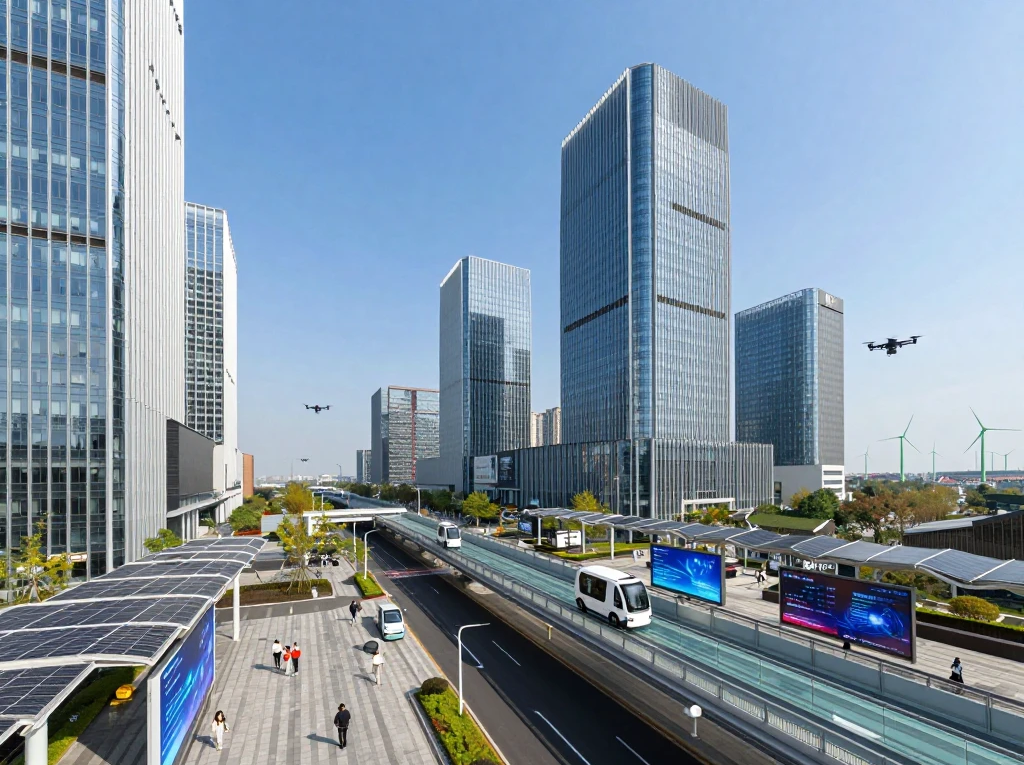
Smart city technology is changing how urban areas operate. Smart cities use digital systems, sensors, and data analysis to improve public services and resource management.
Features of Smart Cities
- Intelligent transportation systems
- Smart energy management
- Digital public services
- Automated waste management
- Connected infrastructure
Impact on Society
Smart cities can provide:
- Better transportation
- Reduced energy consumption
- Improved safety
- Cleaner environments
- More efficient government services
As urban populations grow, smart city technologies will become increasingly important.
3. Internet of Things: A More Connected World
The Internet of Things connects physical devices through the internet, allowing them to collect and exchange information.
IoT technology is creating a world where devices communicate and operate intelligently.
Examples of IoT Applications
- Smart homes
- Wearable health devices
- Connected vehicles
- Industrial sensors
- Smart agriculture systems
Benefits of IoT
- Real-time monitoring
- Improved efficiency
- Automation
- Better decision-making
- Resource optimization
IoT will continue connecting people, devices, and environments in new ways.
4. Robotics and Automation in Daily Life
Robotics and automation are changing how people work and interact with machines. Modern robots are becoming more intelligent, flexible, and capable of performing complex tasks.
Applications of Robotics
Robots are being used in:
- Healthcare assistance
- Manufacturing
- Agriculture
- Logistics
- Education
- Space exploration
Social Impact of Automation
Automation can:
- Increase productivity
- Improve workplace safety
- Reduce human errors
- Support dangerous tasks
Although automation may change job roles, it will also create new opportunities requiring advanced skills.
5. Digital Healthcare and Biotechnology
Healthcare is experiencing major transformation through digital technologies and biotechnology.
Advanced systems are helping doctors provide better diagnosis, treatment, and patient monitoring.
Future Healthcare Innovations
- AI-powered diagnosis
- Remote healthcare services
- Wearable health devices
- Personalized medicine
- Genetic research
Benefits
- Faster medical decisions
- Improved patient care
- Early disease detection
- Better treatment options
Future healthcare will become more personalized and technology-driven.
6. Blockchain for Secure Digital Society
Blockchain technology provides secure and transparent methods for storing and sharing information.
It creates decentralized systems where data can be verified and protected.
Applications of Blockchain
- Digital identity
- Secure financial transactions
- Supply chain management
- Healthcare records
- Government services
Benefits
- Increased transparency
- Improved security
- Reduced fraud
- Greater trust in digital systems
Blockchain will support safer digital interactions in future societies.
7. Advanced Communication Networks
Communication technology is essential for connecting modern societies. Advanced networks such as 5G and future 6G technologies will provide faster and more reliable connections.
Future Applications
Advanced communication networks will support:
- Remote healthcare
- Smart cities
- Autonomous vehicles
- Virtual collaboration
- Industrial automation
Benefits
- Faster communication
- Lower delays
- Better connectivity
- Support for billions of devices
Improved connectivity will help create a more digitally connected world.
8. Cloud Computing and Digital Transformation
Cloud computing has changed how organizations store, process, and manage information.
Instead of relying only on physical infrastructure, businesses and institutions can access computing resources through the internet.
Impact of Cloud Computing
Cloud technology supports:
- Remote work
- Online education
- Digital businesses
- Data management
- AI applications
Benefits
- Lower costs
- Greater flexibility
- Easy access to information
- Improved collaboration
Cloud computing will remain a foundation of future digital societies.
9. Renewable Energy Technologies
Future-ready societies must focus on sustainability. Renewable energy technologies are helping reduce environmental damage and create cleaner energy systems.
Important Innovations
- Solar power
- Wind energy
- Advanced batteries
- Electric vehicles
- Green hydrogen
Benefits
- Reduced pollution
- Sustainable development
- Energy efficiency
- Climate protection
Technology will play a major role in building an environmentally responsible future.
10. Virtual and Augmented Reality
Virtual Reality (VR) and Augmented Reality (AR) are changing how people experience digital information.
These technologies combine digital content with real-world environments.
Applications
- Education and training
- Entertainment
- Healthcare simulations
- Remote work
- Virtual shopping
Impact on Society
AR and VR will create new ways for people to learn, communicate, and experience digital environments.
How Future Technologies Are Changing Industries
Education
Technology is creating personalized learning systems, online classrooms, and interactive educational experiences.
Business
Companies use AI, automation, and analytics to improve productivity and customer satisfaction.
Healthcare
Digital tools improve medical services, research, and patient care.
Transportation
Smart transportation systems and autonomous vehicles are changing mobility.
Agriculture
Smart farming technologies improve food production and resource management.
Benefits of Future-Ready Technologies
Improved Quality of Life
Technology improves healthcare, communication, education, and daily activities.
Economic Growth
Innovation creates new industries, businesses, and employment opportunities.
Better Problem Solving
Advanced technologies help solve complex global challenges.
Increased Efficiency
Automation and intelligent systems improve productivity.
Global Connectivity
Digital technologies connect people and communities worldwide.
Challenges of Future Technologies
Despite their advantages, future-ready technologies also create challenges.
Privacy Concerns
Large amounts of data require strong protection systems.
Cybersecurity Risks
Digital dependence increases the need for advanced security.
Job Changes
Automation may replace some tasks while creating new career opportunities.
Digital Inequality
Not everyone has equal access to advanced technologies.
Ethical Issues
Technology development must consider fairness, responsibility, and human values.
The Future of Technology and Society
The future will be shaped by the combination of multiple technologies working together. Artificial intelligence, robotics, biotechnology, connectivity, and sustainable solutions will create smarter societies.
Future-ready technologies will help humans:
- Work more efficiently
- Access better healthcare
- Learn more effectively
- Communicate globally
- Protect the environment
Organizations and communities that adapt to technological changes will be better prepared for future challenges.
Conclusion
Future-ready technologies are changing society by creating smarter, more connected, and sustainable ways of living. Innovations such as artificial intelligence, IoT, robotics, biotechnology, blockchain, cloud computing, and renewable energy are transforming industries and improving human experiences.
Although challenges related to privacy, security, ethics, and accessibility remain, responsible technology adoption can help maximize benefits for society.
The future will belong to individuals and organizations that understand innovation and use technology wisely. As these technologies continue to develop, they will play a powerful role in building a more advanced, efficient, and sustainable world.